The Shadow Over a Danish Village: Emelie Meng's Tragic Fate
Imagine a quiet, picturesque Danish village, where life unfolds with a comforting rhythm of community and familiarity. Now, picture that peace shattering, replaced by an insidious wave of fear, suspicion, and profound grief. This was the reality for a small Danish landgemeinde, or rural community, as a serial perpetrator known for kidnappings, robberies, and murders remained at large for an agonizing eight years. The case, famously chronicled as "Ein Freund, ein Mörder – Der Fall Emelie Meng" (A Friend, a Killer – The Emelie Meng Case), explores one of the most chilling aspects of true crime: when the monster you fear is not a stranger lurking in the shadows, but someone you trust, someone who walks among you. This deeply unsettling narrative has captivated audiences, making the search for "Ein Freund Ein Mörder Imdb" a common query for those trying to understand this harrowing event and its documentary portrayal.
The long period of terror cast a dark cloud over everyday life. Parents feared for their children, neighbors eyed each other with a new, unwelcome suspicion, and a collective sense of vulnerability permeated the air. For nearly a decade, the community lived under the constant threat of an unknown assailant, their sense of safety eroding with each new incident. The perpetrator's ability to operate undetected for so long amplified the fear, fueling rumors and anxieties that left deep psychological scars. This era of dread is meticulously explored in the documentary, which offers a retrospective look at how an entire region grappled with pervasive insecurity.
Unmasking the Monster: When the Killer Was a Friend
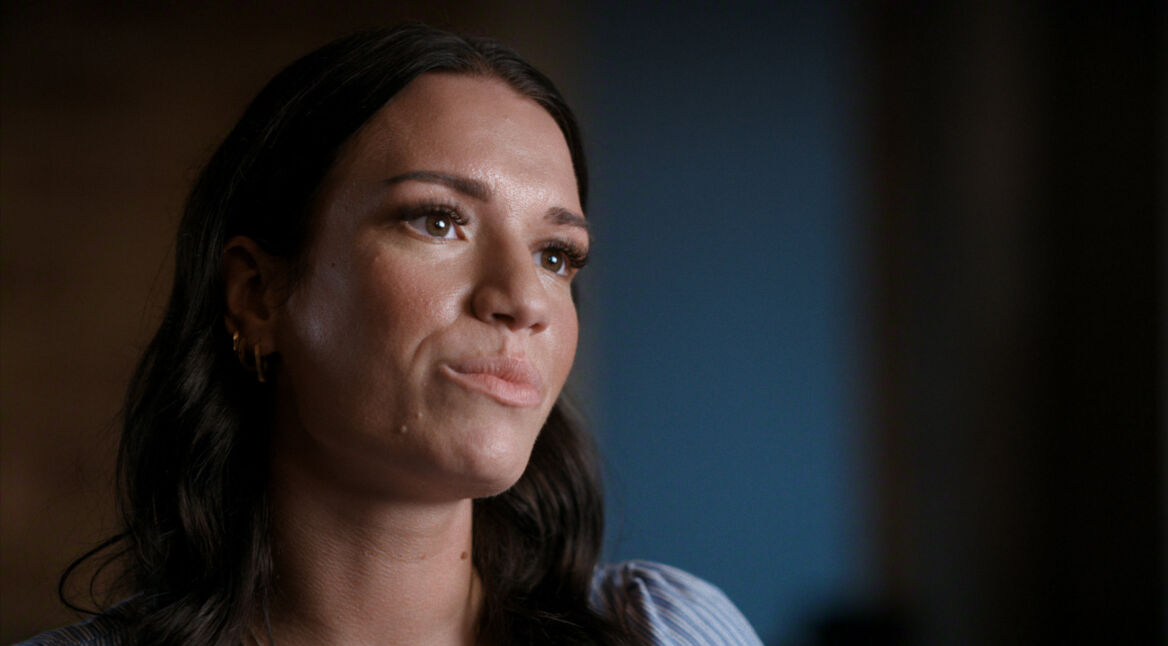
The relief that swept through the Danish town upon the perpetrator's eventual arrest was palpable for most. A collective sigh of liberation, the promise of returning to normalcy. But for a select few – three close friends named Amanda, Nichlas, and Kiri – this relief was replaced by an indescribable horror. The person responsible for the kidnappings, robberies, and the brutal murder of Emelie Meng was not a faceless stranger, but *their* friend. The individual who had executed these heinous crimes had simultaneously led a seemingly ordinary life, blending seamlessly into their social circle, sharing laughs, conversations, and perhaps even confidences.
This revelation, that a trusted confidant harbored such a dark, violent secret, is a betrayal of the most profound kind. It forces an immediate, agonizing re-evaluation of every shared moment, every conversation, every perceived act of friendship. The cognitive dissonance must have been overwhelming: how could someone they knew, someone they considered a friend, be capable of such monstrous acts? The documentary brilliantly delves into the retrospective reflections of this group of friends, highlighting the struggle to reconcile the two irreconcilable identities of the killer: the everyday companion and the cold-blooded criminal. It's a stark reminder that evil often wears a disguise, sometimes one of familiarity and affection. This aspect makes the search for "Ein Freund Ein Mörder Imdb" particularly compelling, as viewers seek to understand the human element behind such a shocking deception. To delve deeper into the timeline of terror, consider reading
Ein Freund, ein Mörder: 8 Years of Terror in a Danish Town.
The Psychological Aftermath: Rebuilding Trust in a Shattered World
The impact of such an event extends far beyond the immediate shock of discovery. For Amanda, Nichlas, Kiri, and indeed the wider community, the Emelie Meng case left an indelible mark on their lives. The core of their social fabric – trust – was irrevocably damaged. How do you trust again when the person closest to you proves to be a deceiver and a killer?
*
Erosion of Trust: The betrayal by a friend shatters the fundamental belief in human goodness and reliability. It can lead to a pervasive sense of suspicion, making it difficult to form new relationships or maintain existing ones with genuine openness.
*
Questioning Reality: Survivors often grapple with questioning their own judgment and perception. If they were so wrong about someone so close, what else have they misjudged? This can lead to self-doubt and anxiety.
*
Long-Term Trauma: The emotional scars of such a profound betrayal can manifest as post-traumatic stress disorder (PTSD), chronic anxiety, depression, and difficulties with intimacy. The sense of safety, both personal and communal, is profoundly compromised.
*
Community Impact: While the direct betrayal was felt most acutely by the killer's friends, the entire village felt the ripple effect. The once-safe haven became a place where underlying fears lingered, and the concept of "knowing your neighbors" gained a sinister new meaning.
The personal memories reconstructed in "Ein Freund, ein Mörder – Der Fall Emelie Meng" underscore how these incidents reshaped relationships, eroded trust, and ultimately altered the life paths of those involved. It's a poignant exploration of resilience in the face of unimaginable trauma and the slow, arduous process of attempting to heal a shattered worldview. This aspect is crucial for those researching "Ein Freund Ein Mörder Imdb," as the documentary seeks to provide this valuable human perspective.
Coping with the Unthinkable: Navigating Betrayal Trauma
The experience of discovering a friend is a killer falls under the umbrella of
betrayal trauma – a specific type of trauma that occurs when the abuse comes from someone in a position of trust or power. This trauma is often more complex and difficult to process than other forms, precisely because it violates fundamental assumptions about safety and relationships. For anyone who has faced such an egregious breach of trust, understanding and coping are critical.
Here are some practical tips and insights for navigating such profound betrayal:
1.
Acknowledge the Trauma: It's crucial to recognize that what you've experienced is a genuine trauma. Validate your feelings of shock, anger, grief, and confusion. It's not "just a betrayal"; it's a deep wound to your sense of self and safety.
2.
Seek Professional Help: Therapists specializing in trauma or betrayal trauma can provide invaluable support. Cognitive Behavioral Therapy (CBT), Eye Movement Desensitization and Reprocessing (EMDR), and other trauma-informed therapies can help process the event and mitigate its long-term effects.
3.
Lean on Trusted Support Systems: While trust may feel shattered, identifying genuinely supportive friends, family members, or support groups is vital. Sharing your experience with others who understand can reduce feelings of isolation and validate your emotions.
4.
Set Boundaries: In the wake of betrayal, it's essential to re-evaluate your boundaries in all relationships. This might involve creating more robust emotional and physical boundaries to protect yourself as you heal.
5.
Practice Self-Compassion: Blaming yourself for not seeing the signs is a common, but unhelpful, reaction. Remember that perpetrators are often highly skilled manipulators. Be kind to yourself and understand that you were operating under false pretenses created by the betrayer.
6.
Re-establish a Sense of Safety: Focus on actions that help you feel safe again, whether it's through routines, secure environments, or mindfulness practices. Rebuilding trust in the world, even incrementally, is a key step in recovery.
The Emelie Meng case serves as a powerful, albeit tragic, example of the need for these coping mechanisms. For a deeper dive into the psychological impacts, explore
Betrayal & Trauma: The Lasting Scars of the Emelie Meng Case.
The Enduring Legacy: Why Cases Like Emelie Meng's Resonate
The story of Emelie Meng and the subsequent revelation of a friend as her killer continues to resonate globally, drawing audiences to documentaries like "Ein Freund, ein Mörder – Der Fall Emelie Meng." This particular interest in "Ein Freund Ein Mörder Imdb" stems from several compelling factors that tap into universal human fears and curiosities. It's not merely a true crime story; it's a profound examination of the human psyche, the nature of evil, and the fragility of trust.
The case forces us to confront uncomfortable truths: that monsters don't always look like monsters, and sometimes, they are the people we invite into our homes and hearts. It serves as a chilling reminder of the dual lives some individuals lead and the shocking capacity for deception that can exist beneath a veneer of normalcy. For the Danish community affected, the events of those eight years and the subsequent discovery reshaped their collective identity, leaving traces that are still felt today. The documentary's strength lies in its ability to bring these deeply personal and communal reflections to light, allowing viewers to bear witness to the enduring impact of betrayal and violence, and to reflect on their own understanding of trust, friendship, and the hidden darkness that can sometimes reside within those closest to us.